Verify the location
Check the precise census tract—not only the city, ZIP code, or neighborhood.
A practical Texas-focused resource for investors, developers, property owners, business operators, advisers, and community leaders exploring Qualified Opportunity Zones.
Opportunity Zone eligibility is determined at the census-tract level. Always verify a specific address with an official federal mapping source before relying on it for a transaction.
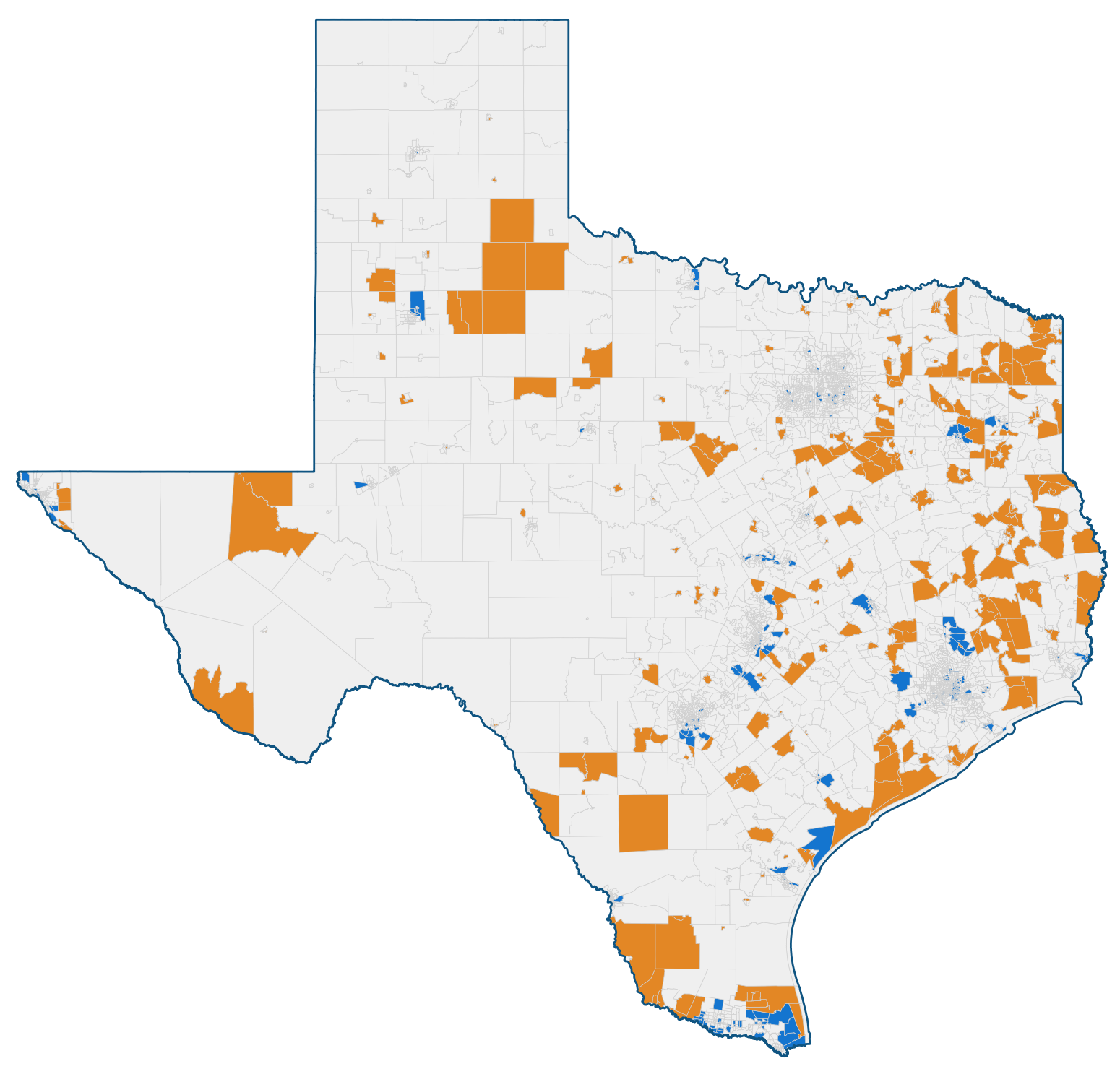
Check the precise census tract—not only the city, ZIP code, or neighborhood.
Most tax benefits are accessed through a Qualified Opportunity Fund.
A tax incentive does not make a weak project into a strong investment.
Dates, designation rounds, and future Treasury guidance can change the analysis.
A tract designation may create a tax-advantaged investment framework, but the gain source, fund structure, property use, business activity, timing, compliance, financing, and long-term economics all matter.
Confirm the exact census tract using an official federal lookup. A nearby property can be outside the zone even when the surrounding neighborhood appears eligible.
Most Opportunity Zone tax benefits are accessed through a Qualified Opportunity Fund, not simply by purchasing real estate inside a designated zone.
Review use, improvement, business activity, timing, financing, and exit strategy before treating a location as a viable Opportunity Zone project.
The strongest projects combine thoughtful tax planning with sound real estate or operating-business fundamentals.
Federal legislation signed in July 2025 created a continuing Opportunity Zone framework for future designation rounds and revised several program rules. The changes include stronger rural emphasis, tighter community-eligibility standards, and expanded reporting and transparency requirements.
The original Opportunity Zone rules and the newer framework are not identical. Transaction dates, designation periods, holding periods, and future IRS or Treasury guidance can materially affect the analysis.
Read the Plain-Language SummaryUse these as a preliminary screen before deeper tax, legal, real estate, and investment analysis.
Verify the parcel or business location against official tract data rather than relying on a city, ZIP code, or marketing map.
Identify the taxpayer, character of gain, sale date, investment deadline, and amount intended for a Qualified Opportunity Fund.
Determine whether the fund will own qualified property directly or through a qualifying operating-business structure.
Acquisition timing, original use, substantial improvement, active business use, and related-party rules may apply.
Model cash flow, debt, construction, lease-up, operating risk, taxes, fees, and exit outcomes without assuming the tax benefit will rescue a weak project.
Coordinate tax, legal, securities, accounting, real estate, and investment professionals before money moves or deadlines expire.
Explore the Texas reference map, review the core rules, and then verify the exact tract and current federal guidance before making an investment decision.